Source hdmi wire and power plug plastic moulding machine for Connectors
Find 30 hdmi wire and power plug plastic moulding machine options from China. Compare automatic vertical and horizontal composite injection blow molding and extruder machines with CE and ISO certifications for reliable connector production; compare the available evidence and request quotations based on your requirements.
Key considerations
Products List


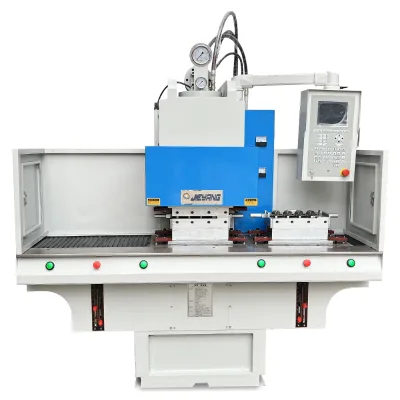
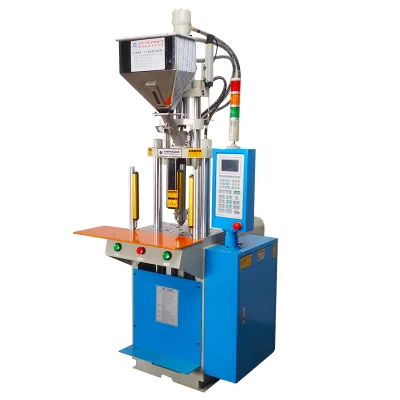


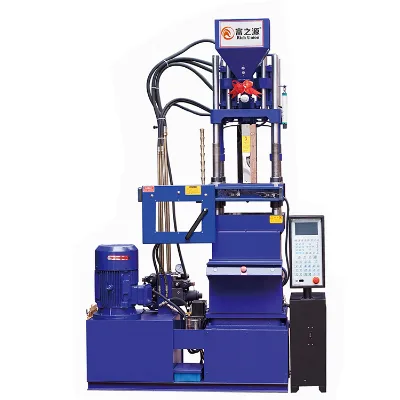


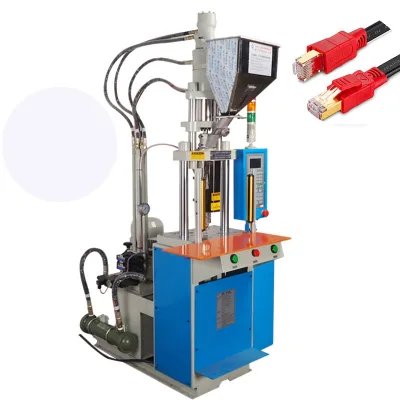

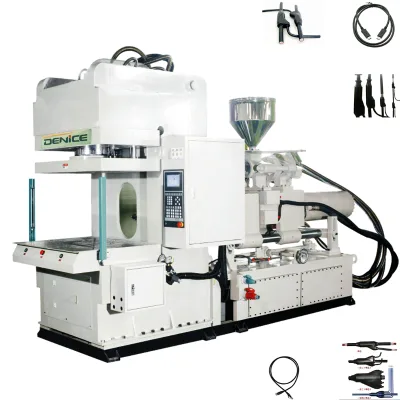
Plug USB Cable Coil Making Machine/ Plug Making Injection Molding Machine
$19000.00 - $20000.00
Moq: 1


Comprehensive Sourcing Guide
HDMI Wire and Power Plug Plastic Moulding Machine Sourcing Guide
The market for injection blow molding and extrusion equipment reveals a diverse range of capabilities suitable for manufacturing components like HDMI connectors and power plug housings. Buyers observe machines with vertical and horizontal composite structures that utilize either plunger or double-screw plasticizing methods to process thermoplastic materials. These systems are designed to handle a wide spectrum of resins, including PP, ABS, PC, and PVC, which are essential for creating durable and electrically safe consumer electronics accessories.
Procurement decisions must account for the specific automation levels and control systems integrated into these units. Most observed listings feature computerized controls and electric drive types that ensure consistent output quality for high-volume production runs. The availability of customization options allows manufacturers to tailor clamping mechanisms and mold sizes to the precise dimensions required for complex wire and plug geometries, ensuring that the final product meets strict industry tolerances.
Product Scope and Observed Listing Signals
Buyers should verify the theoretical shot volume and injection weight capabilities to ensure the machine can handle the specific mass of the HDMI or power plug components without waste. Observed data indicates machines with a theoretical shot volume of 263 cm³ and an injection weight of 248.6 g, which are critical metrics for determining cycle times and material efficiency. These specifications help buyers match the equipment to their production targets, preventing underutilization or overloading of the injection unit during operation.
The physical dimensions of the clamping unit and platen size are equally vital for accommodating the necessary mold tooling. Listings show maximum platen sizes of 1200280 mm and maximum mold sizes of 500250 mm, providing ample space for multi-cavity molds that increase throughput. Additionally, the open stroke of 200 mm and mold height range of 0-175 mm must be checked against the specific mold design to ensure safe ejection and proper installation within the machine frame.
Technical Specifications to Verify
The screw speed and plasticizing capacity are primary indicators of the machine's ability to maintain consistent melt quality for different thermoplastic grades. Specifications such as a screw speed range of 0-180 rpm and a plasticizing capacity of 220 g/s suggest a robust system capable of handling high-viscosity materials often used in electrical components. Buyers must confirm that the injection rate of 122.2 g/s and injection speed of 88.3 mm/s align with the flow requirements of the specific plastic being processed to avoid defects like short shots or burn marks.
System pressure and temperature control precision are essential for maintaining the structural integrity of the molded parts. The observed system pressure of 13.7 KN and a maximum injection pressure of 116.7 Mpa indicate the force available to pack the mold cavity effectively. Furthermore, the presence of 3+1 temperature control zones ensures that the melt temperature remains stable throughout the process, which is crucial for achieving the dimensional accuracy required for electrical safety standards in power plugs and connectors.
Compliance and Safety Documentation
Certification status is a non-negotiable factor when sourcing machinery intended for producing electrical accessories that must meet global safety regulations. The supply chain data confirms that many units carry CE, ISO9001, GMP, RoHS, FDA, PSE, and CCC certifications, which are critical for exporting finished goods to various international markets. Buyers must request valid certificates for the specific machine model to ensure that the manufacturing process itself complies with the safety standards required for the end products.
Safety documentation should also include detailed machinery test reports and clear warranty terms to protect the buyer's investment. The availability of provided test reports allows for independent verification of the machine's performance metrics before final acceptance. Additionally, warranty periods ranging from one to 18 months indicate the manufacturer's confidence in the durability of core components like the motor, pump, and PLC, which are essential for long-term operational reliability in a busy production environment.
Cost Drivers and Commercial Terms
The total cost of ownership is heavily influenced by the power consumption and the complexity of the core components integrated into the system. Units with a power rating of 7.5 kW and a comprehensive list of core components including bearings, motors, and gearboxes represent a significant capital investment. Buyers should analyze the energy efficiency of the electric drive type and the expected maintenance costs associated with high-performance parts like the double-screw and pressure vessel to calculate the true operational expense.
Packaging and shipping logistics also play a significant role in the final commercial terms and delivery timeline. Products are typically packed in either cartons or wooden boxes depending on the size and fragility of the equipment, which affects freight costs and handling requirements. The observed origin in Guangdong, China, suggests a specific supply chain dynamic that buyers must factor into their lead time planning and import compliance strategies, ensuring that all commercial terms align with the actual delivery capabilities of the supplier.
Supplier Qualification and Quality Control
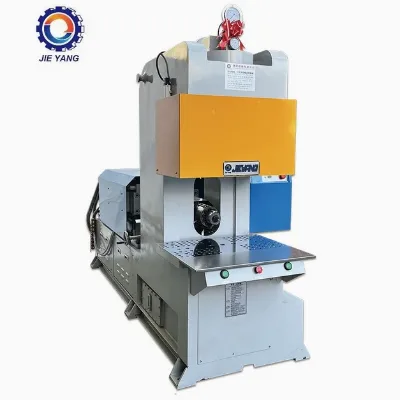
Supplier qualification requires a rigorous assessment of the manufacturer's ability to provide consistent quality and after-sales support. The presence of a brand name like JieYang and a specific model number such as JY-550C-DM suggests a standardized production line, but buyers must verify the actual condition of the equipment, which is listed as new. It is essential to confirm that the supplier can provide the necessary documentation for the machinery test report and that the warranty terms are clearly defined in the contract.
Quality control processes must extend beyond the initial purchase to include ongoing maintenance and performance monitoring. The machine's ability to process a wide variety of plastics, from Polylactic Acid to HDPE, demonstrates versatility, but the buyer must ensure the supplier offers training on operating the computerized systems. Verifying the condition of the ejector number and the reliability of the screw speed control is necessary to maintain the high standards required for producing safe and reliable electrical components.
Long-Term Procurement Checks
Long-term procurement success depends on the availability of spare parts and the supplier's commitment to supporting the machine throughout its lifecycle. Buyers should verify the lead times for critical components like the motor, pump, and gear, which are listed as core parts of the system. Ensuring that the supplier has a robust inventory of these parts will minimize downtime and protect the production schedule, especially given the high utilization rates typical in plastic molding operations.
Finally, buyers must establish a clear protocol for monitoring the machine's performance against its original specifications over time. Regular checks on the oil tank capacity of 160L and the condition of the hydraulic system are necessary to prevent degradation in performance. By maintaining a proactive approach to maintenance and keeping detailed records of the machinery test reports, buyers can ensure that the equipment continues to meet the stringent quality and safety standards required for the production of HDMI wires and power plugs.
FAQs
What plastic materials can this moulding machine process?
This machine processes thermoplastic materials including PP, PC, ABS, PET, PVC, HDPE, LDPE, PE, EVA, PA, polystyrene, and polylactic acid. Material choice should match your HDMI wire and power plug housing requirements, since each polymer offers different insulation strength and heat resistance. Confirm that your selected material is compatible with the plunger-type plasticizing unit before ordering.
Which certifications are available for this injection moulding machine?
Listed certifications include CE, ISO9001, GMP, RoHS, FDA, PSE, and CCC, though exact coverage varies by product listing. Buyers should request valid certificate copies for the specific machine model before placing an order. Certification affects customs clearance and factory audits, so verify which certificates apply to your destination market and intended production environment.
What is the warranty period for the moulding machine?
Listed warranty terms are 18 months or 1 year depending on the specific product offering. Warranty typically covers core components such as the motor, pump, gearbox, screw, PLC, and bearing. Confirm in writing which parts and labor are included, and clarify whether warranty service requires returning components or support from local technicians.
Can the machine be customized for specific mould sizes and production needs?
Yes, customization is listed as available for these machines. One model offers a maximum mould size of 500 by 250 millimeters, a mold height range of 0 to 175 millimeters, and a platen size of 1200 by 280 millimeters. Provide your product drawings and required shot volume so suppliers can confirm whether tooling and fixtures need modification.
How does the machine handle automation and operation control?
The machines are listed as automatic, computerized, and electric-driven, with a key selling point of being easy to operate. Control relies on a PLC as one of the core components, and one model offers 3 plus 1 temperature control zones. Operators should still be trained on clamping, injection speed, and screw speed settings for stable production output.
What are the key performance specifications to compare between models?
Compare injection weight, theoretical shot volume, injection pressure, injection speed, plasticizing capacity, screw speed, clamping force, and opening stroke. For example, one C-type vertical model lists a shot volume of 263 cubic centimeters, injection weight of 248.6 grams, injection pressure of 116.7 megapascals, and screw speed up to 180 rpm. Match these figures against your part weight and cycle time targets.
How is the machine packed and shipped after purchase?
Packaging options listed include cartons and wooden boxes, with origin in Guangdong, China or elsewhere in China. Wooden boxes are generally preferred for heavy machines like the 3300 kilogram vertical model, since they protect the frame, screw, and hydraulic components during sea freight. Confirm packaging type, container loading plan, and machinery test report availability before shipment.
What should buyers check in a machinery test report before ordering?
A machinery test report is provided with listed products, and it should confirm operating parameters such as system pressure, injection rate, ejector stroke, and open stroke against published specifications. Review hydraulic oil tank capacity, power consumption in kilowatts, and noise behavior during a trial run when possible. Ask for video verification of the machine running your mould if an onsite inspection is not practical.